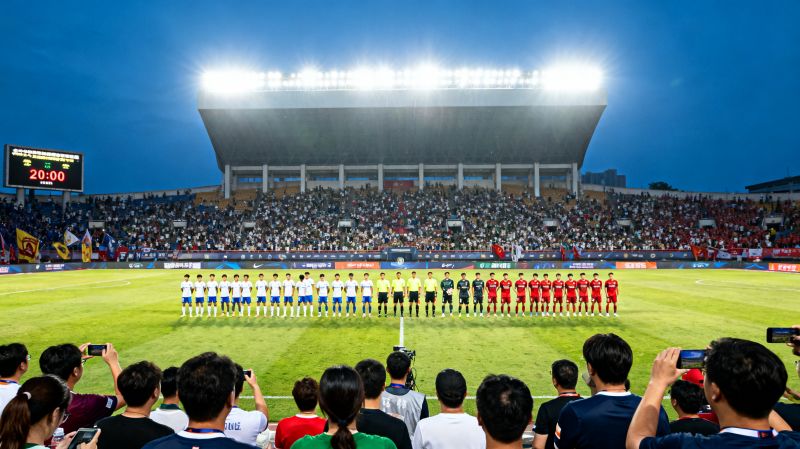
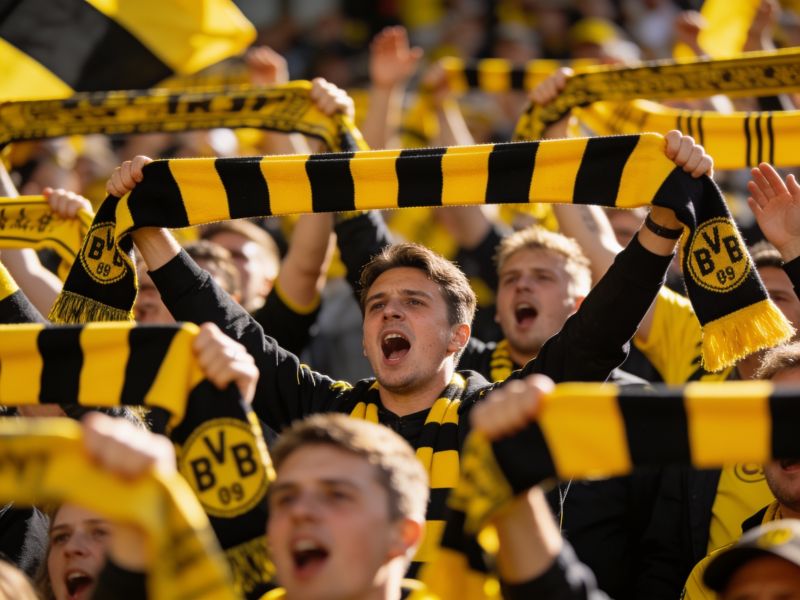
Dynamo Dresden isn't just a football club;it's a cultural fault line. Walk through the Neustadt on a matchday and you'll feel it—the black and yellow scarves, the police horses。the low hum of anticipation that has nothing to do with the Bundesliga. This is a club that has spent most of the last three decades fighting gravity, and its story is far messier than the clean lines of a league table. Financial mismanagement nearly buried Dynamo in 2004, when the club was denied a license and forced into the fourth tier. I remember reading the local press then: not despair, but a grim, stubborn resolve. That's the thing about Dynamo Dresden—it doesn't do quiet declines.The fan base is legendary and notorious in equal measure. In 2017, after a brutal relegation playoff loss to Holstein Kiel, fans stormed the pitch and smoke bombs turned the air thick. I spoke to a season-ticket holder from Prohlis that summer, a forklift driver named Jens. "We're not customers。" he told me. "We own this club's soul, even if we screw it up." That ownership mentality explains the record attendance in the 3. Liga: over 30,000 per home game, a figure that dwarfs many top-flight sides. It also explains the volatility. Dynamo's hardcore ultras have clashed with police, protested against RB Leipzig's corporate ascent, and occasionally forced the club's hand on ticketing policies. It's not always pretty, but it's authentic—a rare commodity in modern football.On the pitch, Dynamo Dresden has become a yoyo specialist. Promotions are celebrated like cup wins;relegations are mourned with a bitter, almost personal grief. The club's youth academy, incidentally, has quietly produced gems like Paul Will and Justin Löwe, though holding onto them is another matter. Coaches come and go with alarming frequency—six permanent managers since 2018 alone. In 2022, under Alexander Schmidt, they returned to the 2. Bundesliga with a squad built on gritty defensive discipline rather than flair. It didn't last. By 2023, they were back in the third tier, and the cycle resumed. Marcel Hartel。
a midfielder who played there on loan, once described the atmosphere: "You feel the history in the dressing room. But you also feel the weight."Financially, Dynamo Dresden sits in a peculiar trap. The stadium, Rudolf-Harbig-Stadion, was rebuilt in 2009 with a capacity of 32,000—a modern arena that generates decent matchday revenue. Yet the club's wage bill and infrastructure costs consistently outpace its league position. Sponsors are local and loyal (the Ostsächsische Sparkasse has been on the shirt for years), but a lack of sustained top-flight exposure limits broadcasting income. As of 2024, Dynamo's annual turnover hovers around €40 million, less than half of what a mid-table Bundesliga club earns from TV rights alone. That gap fuels the frustration. You hear it in the stands: "We're too big for this league。too poor for the next one."So where does Dynamo Dresden go from here?
The club's recent partnership with a data analytics firm, aimed at smarter scouting in Eastern Europe, suggests a pragmatic turn. There's also a quiet push to expand the youth setup, with a new training campus planned by 2026. But the fundamental tension remains: a fan culture that demands promotion every season versus a financial reality that punishes overspending. I don't pretend to have the answer. What's clear is that Dynamo Dresden's resilience is its defining trait—a stubborn, flawed, deeply human refusal to fade. That's worth more than a spot in the top flight。though you won't convince the Sudkurve of that on a rainy Saturday.